

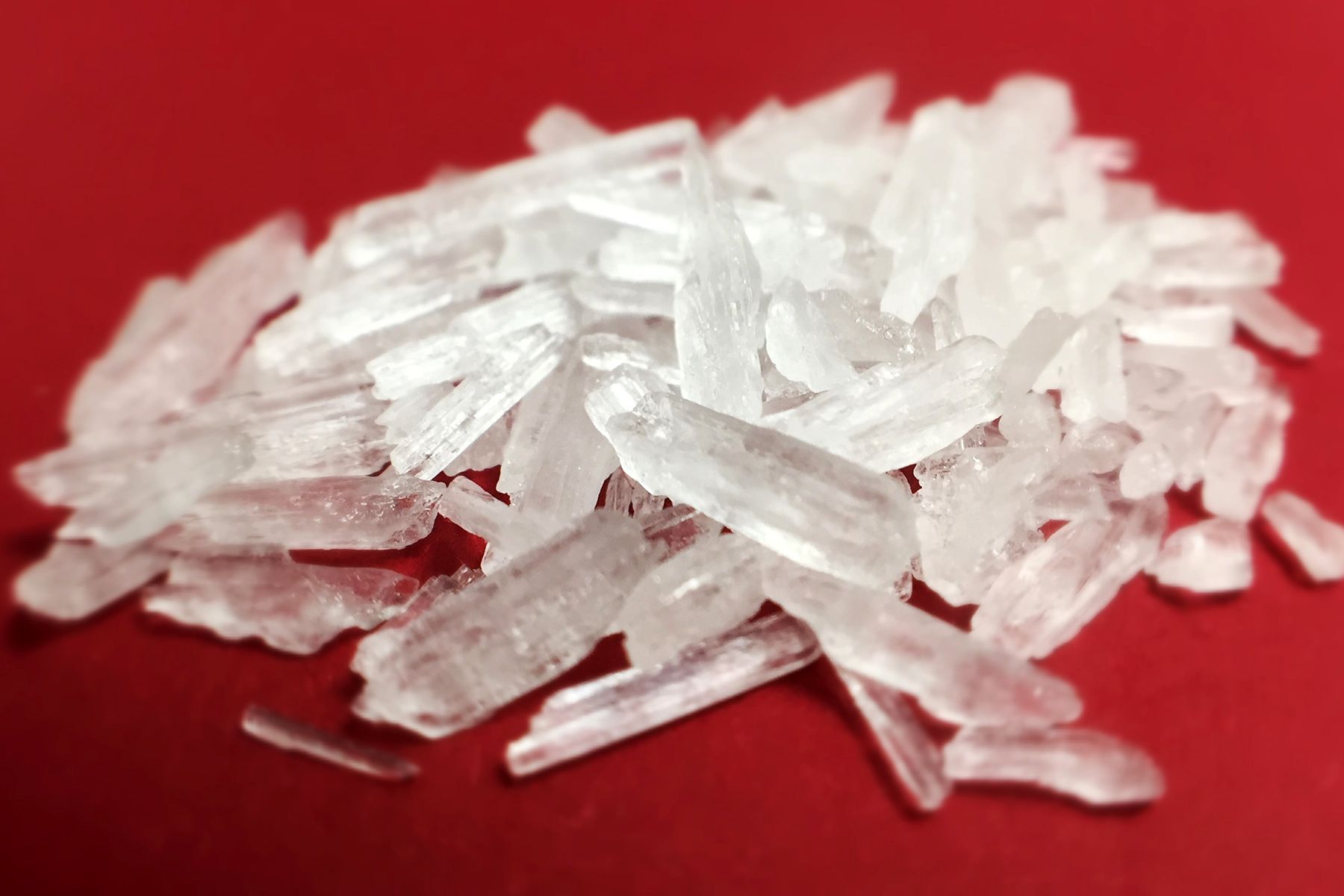

Understanding Crystal Methamphetamine: A Comprehensive Research Guide
When we talk about crystal methamphetamine, we are looking at one of the most potent central nervous system stimulants in existence. It is a man-made substance, chemically similar to amphetamine but with much more significant impacts on the brain’s reward system. Researching this topic requires looking past the headlines to understand the science, the regional shifts in use, and the long-term consequences for those who use it. GET IN TOUCH
The Science of the Stimulant
At a molecular level, methamphetamine ($C_{10}H_{15}N$) works by triggering a massive release of dopamine, norepinephrine, and serotonin. Unlike other stimulants, it doesn’t just release these chemicals; it blocks their reuptake, keeping the brain in a state of hyper-arousal for extended periods. This is why the “high” from crystal meth can last anywhere from 6 to 12 hours, far longer than many other substances.
Short-Term and Long-Term Effects
The immediate physical response is often characterized by intense energy and a lack of appetite. However, the toll on the body begins almost immediately.
-
Physiological Impact: Rapid heart rate, elevated blood pressure, and increased body temperature.
-
The “Crash”: As the drug leaves the system, the dopamine depletion often leads to severe depression and fatigue.
-
Cognitive Decline: Long-term research shows that chronic use can physically change the brain’s structure, particularly in areas associated with memory and emotion.
Global and Regional Trends
While methamphetamine use is a global issue, the way it manifests varies by geography.
-
The United States: From rural villages to urban suburbs, the US has seen a shift toward highly pure, “p2p” produced meth coming across the southern border, affecting all 50 states.
-
Australia and Asia: Often referred to as “Ice” or “Shabu,” the region remains one of the most profitable markets for international trafficking due to high demand.
-
Europe (UK, France, Germany, Spain): While traditionally a market for amphetamine paste, crystal meth has gained a significant foothold in Central and Western Europe over the last few years.
For more information on diverse research topics, you can visit our potato homepage.
The Path Toward Recovery
Research consistently highlights that while the damage to the brain is significant, it is not always permanent. Neuroplasticity allows for some level of healing after prolonged abstinence. Comprehensive treatment usually involves a mix of behavioral therapy and medical monitoring to manage the intense psychological withdrawal symptoms.
Gas Chromatography–Mass Spectrometry (GC–MS).
Trí ghabhdóirí NMDA a bhlocáil, laghdaíonn sé comharthaí pian agus feabhsaíonn sé cáilíocht beatha othar.
| Grams | 1 gram, 1.50 grams, 2 grams, 3.50 grams, 5 grams, 7 grams, 10 grams, 14 grams |
|---|
Sé el primero en valorar “Crystal Methamphetamine – Dutch Crystal Pure Ice Import”
Productos relacionados

Stimulants
Stimulants
Stimulants
Stimulants

Stimulants
Stimulants
 Spanish
  English
  German
  Dutch
Dutch  Estonian
  Italian
  Croatian
  Arabic
  Belarusian
  Czech
Czech  Danish
  Greek
Greek  French
  Bosnian
  Polish
  Georgian
  Chinese
  Finnish
  Lithuanian
  Hungarian
  Latvian
Valoraciones
No hay valoraciones aún.