
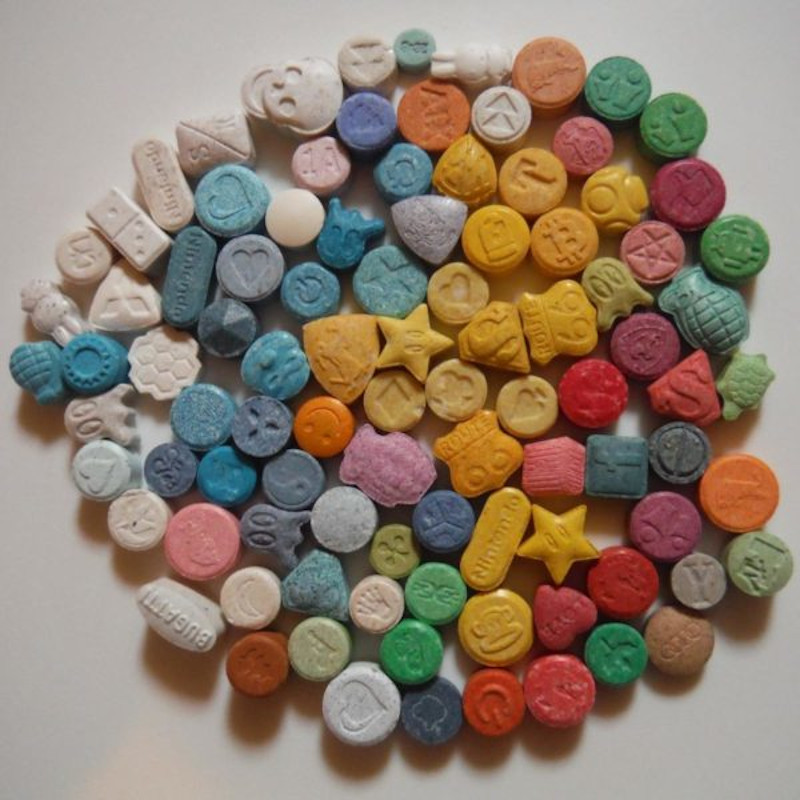
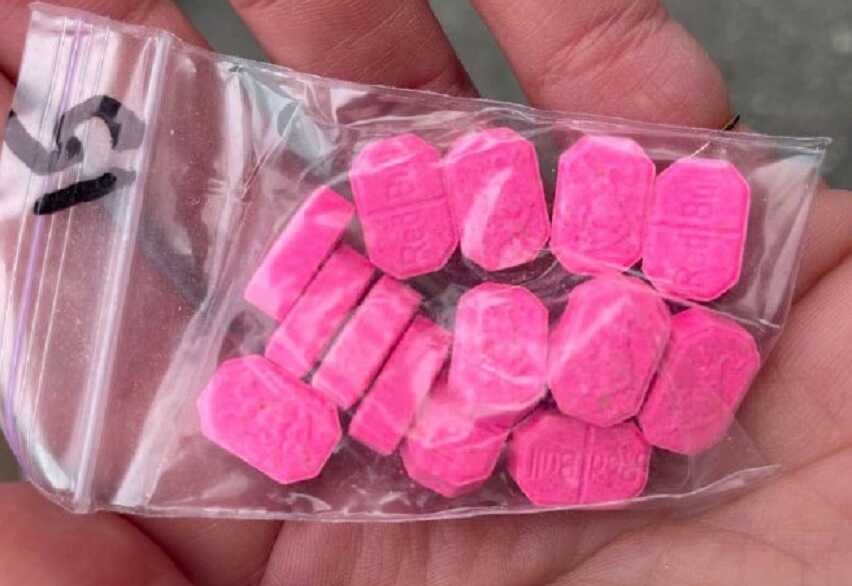
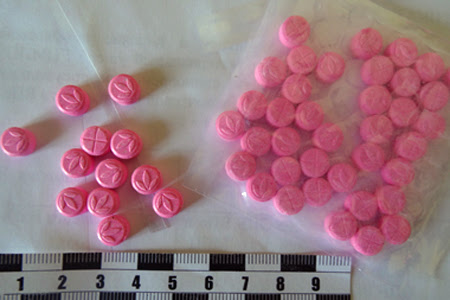

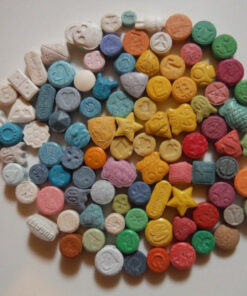
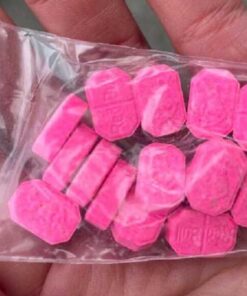
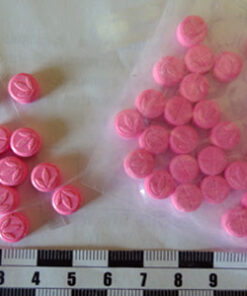
Ecstacy / Molly
$300.00 – $1,800.00Price range: $300.00 through $1,800.00
Ecstacy / Molly
When people talk about ecstasy or molly, they’re usually referring to MDMA. It shows up in nightlife culture, but it’s also being studied in medical settings. That split can make it confusing, so let’s keep things grounded and straightforward. GET IN TOUCH
What ecstasy or molly actually is
Ecstasy and molly are common names for MDMA, a synthetic substance that affects mood, perception, and energy levels. In theory, molly refers to a purer form, but in reality, both are often mixed with other substances. That uncertainty is part of the risk.
How it affects the body and mind
MDMA increases the activity of certain brain chemicals, especially serotonin. That can lead to:
- Elevated mood and a sense of connection
- Increased energy and alertness
- Changes in perception and touch
These effects are why it’s associated with social settings like parties and festivals.
The risks people overlook
The short-term effects can feel positive, but there are real risks, especially outside controlled environments.
Common concerns include:
- Dehydration or overheating
- Increased heart rate and blood pressure
- Anxiety, confusion, or panic
There’s also a longer-term angle. Repeated use may affect memory, mood, and sleep. And because street versions are often mixed, users may not know what they’re taking.
What research is exploring
In recent years, MDMA has been studied in controlled clinical settings for conditions like post-traumatic stress disorder. These studies are tightly regulated and very different from recreational use.
Treatment, where allowed in research or limited medical programs, involves:
- Careful screening
- Measured dosing
- Professional supervision
That context matters. It’s not the same as casual use.
Legal status across regions
In the United States, United Kingdom, Europe, Australia, and most of Asia, MDMA is a controlled substance. Outside of approved research or very limited medical programs, it is illegal.
Laws vary slightly by country, but the overall approach is consistent. Strict control is meant to reduce harm and misuse.
What helps content rank well
If your goal is to rank across different regions, focus on clarity and usefulness.
Good content does a few things well:
- Answers basic questions without hype
- Explains risks honestly
- Separates medical research from recreational use
- Uses natural language people actually search for
Search engines tend to favor pages that show responsibility, especially on health topics.
For general information, you can include a simple link to your homepage here:
https://rotexketamshop.com/ Gas Chromatography–Mass Spectrometry (GC–MS). Trí ghabhdóirí NMDA a bhlocáil, laghdaíonn sé comharthaí pian agus feabhsaíonn sé cáilíocht beatha othar.
| Pills | 50 Pills, 100 Pills, 200 Pills, 250 Pills, 500 Pills |
|---|
Be the first to review “Ecstacy / Molly” Адмяніць адказ
Related products
Stimulants

Stimulants


Stimulants

Stimulants

Stimulants
 Belarusian
  English
  German
  Dutch
Dutch  Estonian
  Italian
  Croatian
  Arabic
  Czech
Czech  Danish
  Greek
Greek  Spanish
  French
  Bosnian
  Polish
  Georgian
  Chinese
  Finnish
  Lithuanian
  Hungarian
  Latvian
Reviews
There are no reviews yet.