



Calypsol (Ketamine)
Calypsol is a brand associated with ketamine, a medication widely recognized in medical settings for its anesthetic and pain management properties. For decades, ketamine has been used in hospitals, surgical centers, emergency medicine, and clinical care environments under professional supervision. GET IN TOUCH
This guide explains what Calypsol is, how ketamine is used in healthcare, important safety considerations, and why medical supervision matters.
What Is Calypsol?
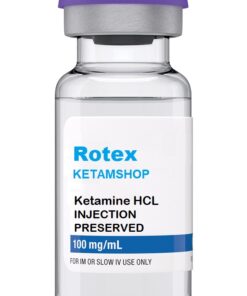
Calypsol contains ketamine, a dissociative anesthetic medication commonly used in medical and surgical procedures. Healthcare professionals may use ketamine for anesthesia, sedation, pain management, and certain specialized treatment settings.
Ketamine works differently from many traditional anesthetic medications. In controlled clinical environments, it may help produce sedation, pain relief, and anesthesia while preserving certain reflexes and respiratory function.
Calypsol injection / Medical Uses of Ketamine
Ketamine has several recognized clinical applications in healthcare settings. Depending on the patient and medical situation, healthcare professionals may use ketamine for:
- General anesthesia
- Emergency medicine procedures
- Pain management support
- Surgical sedation
- Short medical procedures
- Critical care settings
- Veterinary medicine
- Research and clinical studies
In recent years, ketamine has also gained attention in specialized mental health research environments. Any mental health treatment involving ketamine should only be handled by licensed medical professionals in approved clinical settings.
How Calypsol Is Administered
Ketamine products such as Calypsol are typically administered by trained healthcare professionals. Administration methods may include:
- Intravenous injection
- Intramuscular injection
- Controlled clinical infusion
The method, dosage, and treatment approach depend entirely on the medical condition, patient evaluation, and healthcare provider recommendations.
ketamine emergency medicine / Important Safety Information
Ketamine is a powerful prescription medication and should only be used under professional medical supervision.
Patients should discuss the following with their healthcare provider before receiving ketamine:
- Current medications
- Heart conditions
- Blood pressure concerns
- Mental health history
- Liver conditions
- Substance use history
- Allergies or sensitivities
- Pregnancy or breastfeeding
Self-medication or unsupervised use can be dangerous and is not recommended.
Possible Side Effects
Like many medical anesthetics, ketamine may cause side effects in some individuals. Possible effects may include:
- Dizziness
- Nausea
- Increased blood pressure
- Confusion
- Blurred vision
- Temporary dissociation
- Drowsiness
- Increased heart rate
Patients should immediately report severe or unusual symptoms to a healthcare professional.
Ketamine in Modern Healthcare
Ketamine continues to play an important role in modern medicine because of its versatility and effectiveness in controlled clinical environments.
Healthcare providers value ketamine for several reasons:
- Rapid onset of action
- Usefulness in emergency care
- Application in procedural sedation
- Flexibility in anesthesia settings
- Ongoing clinical research interest
Medical professionals determine whether ketamine is appropriate based on individual patient evaluation and treatment goals.
Mental Health Research and Ketamine
Researchers continue studying ketamine in specialized mental health settings. Some clinical programs have explored its potential role in treatment-resistant conditions under strict medical supervision.
It is important to understand that ketamine-related mental health treatment should only occur through licensed clinics and qualified healthcare providers operating within local laws and medical regulations.
Why Professional Medical Oversight Matters
Ketamine is not a casual medication. It requires proper dosing, patient monitoring, and clinical oversight.
Healthcare professionals monitor:
- Heart rate
- Blood pressure
- Oxygen levels
- Sedation response
- Overall patient safety
Medical supervision helps reduce risks and supports responsible patient care.
Frequently Asked Questions
Is Calypsol the same as ketamine?
Calypsol is a brand associated with ketamine, a dissociative anesthetic medication used in healthcare settings.
Is ketamine a prescription medication?
Yes. Ketamine is a prescription medication and should only be used under the supervision of qualified healthcare professionals.
What is ketamine commonly used for?
Ketamine is commonly used for anesthesia, procedural sedation, pain management, and emergency medical care.
Can ketamine be used outside a medical setting?
Ketamine should only be used in authorized medical environments under professional supervision.
Conclusion
Calypsol and other ketamine-based medications remain important tools in modern medicine when used responsibly and under qualified medical supervision. From anesthesia and emergency care to ongoing clinical research, ketamine continues to have a significant role in healthcare.
Patients interested in learning more about ketamine treatment options should speak directly with licensed healthcare professionals who can provide personalized medical guidance.
For more healthcare information and pharmacy resources, visit Rotex Ketam Shop
| Quantity | 10 Vials, 20 Vials, 30 Vials, 60 Vials |
|---|
Κάνετε την πρώτη αξιολόγηση για το προϊόν: “Calypsol”
Σχετικά προϊόντα

Pain Relief Medications

Anesthesia
Ketamine Hydrochloride

Insomnia

Pain Relief Medications

Pain Relief Medications

Pain Relief Medications
Anesthesia
 Greek
Greek  English
  German
  Dutch
Dutch  Estonian
  Italian
  Croatian
  Arabic
  Belarusian
  Czech
Czech  Danish
  Spanish
  French
  Bosnian
  Polish
  Georgian
  Chinese
  Finnish
  Lithuanian
  Hungarian
  Latvian
Αξιολογήσεις
Δεν υπάρχει καμία αξιολόγηση ακόμη.