


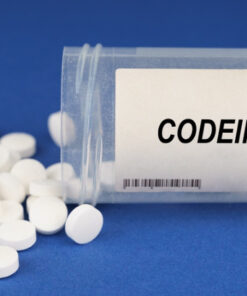

Dihydrocodeine: Uses, Benefits, and What to Watch For
Dihydrocodeine is a semi-synthetic opioid analgesic used to manage moderate to severe pain. It is often prescribed after surgery, injury, or for conditions where standard pain relief options are not enough. In some cases, it may also be used to treat severe cough or breathing discomfort under medical supervision.
This medication works by acting on opioid receptors in the brain and spinal cord, changing how the body perceives pain and reducing the intensity of discomfort. Because of this mechanism, it is generally reserved for situations where non-opioid treatments like paracetamol or ibuprofen have not provided adequate relief.
Moderate Pain Treatment
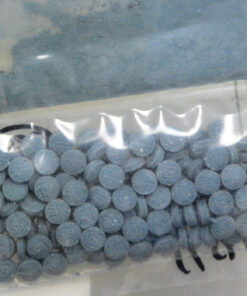
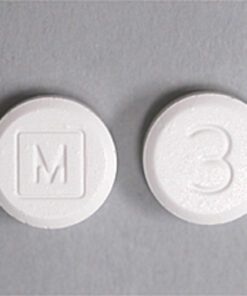
Dihydrocodeine is most commonly available in tablet form, including immediate-release and extended-release versions. The type prescribed usually depends on how long pain control is needed and how the patient responds to treatment. CONTACT US
Pain Management Medication
Like other opioids, dihydrocodeine can cause side effects. The most commonly reported ones include constipation, nausea, vomiting, dizziness, and drowsiness. These effects can vary in intensity, especially when starting the medication or adjusting the dose.
Because it affects the central nervous system, caution is important. Patients are usually advised to avoid alcohol and other sedating substances while taking it, and to follow dosage instructions closely to reduce the risk of complications.
When used as prescribed and monitored properly, dihydrocodeine can play a useful role in pain management. At the same time, it requires careful handling due to its potential for dependence and other risks associated with opioid medications.
Mixing medications without guidance can be dangerous
.
| Pills | 100 pills, 200 pills, 300 pills, 400 pills, 500 pills |
|---|
Wees de eerste om “Dihydrocodeine 30 mg” te beoordelen
Gerelateerde producten


Pain Relief Medications

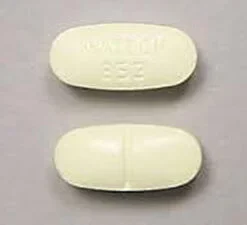
Pain Relief Medications
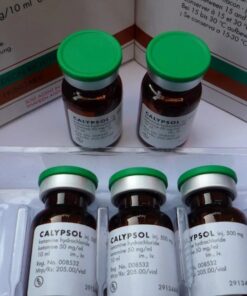
Anesthesia

Anesthesia

Anesthesia
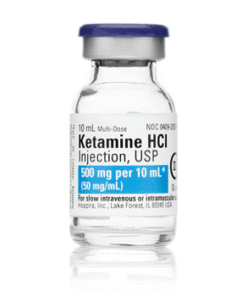
Anesthesia
Pain Relief Medications
Pain Relief Medications
 Dutch
Dutch  English
  German
  Estonian
  Italian
  Croatian
  Arabic
  Belarusian
  Czech
Czech  Danish
  Greek
Greek  Spanish
  French
  Bosnian
  Polish
  Georgian
  Chinese
  Finnish
  Lithuanian
  Hungarian
  Latvian
Beoordelingen
Er zijn nog geen beoordelingen.