




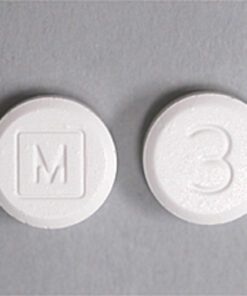
Morphine 200mg MST
Plage de prix : $350.00 à $4,000.00
Morphine: Uses, Effects, and What You Should Know
Morphine is a natural opioid derived from the opium poppy. It is widely used in medical settings to manage moderate to severe pain, especially after surgery, serious injury, or in advanced illnesses such as cancer. GET IN TOUCH
It works by binding to opioid receptors in the brain and spinal cord. This changes how pain signals are processed and reduces the intensity of pain. Because of its strength, morphine is typically prescribed when other pain relievers are not effective enough.
Morphine comes in several forms, including tablets, liquid solutions, injections, and extended-release preparations. The form and dose depend on the patient’s condition, the level of pain, and how long treatment is needed.
Cancer Pain Treatment / When Morphine Is Prescribed
Doctors may recommend morphine for:
- Acute pain after surgery or trauma
- Chronic pain that requires strong relief
- Cancer-related pain
- Palliative and end-of-life care
In controlled medical use, it remains one of the most effective tools for managing severe pain.
Pain Management Drugs / Common Side Effects
Like other opioids, morphine can cause a range of side effects. The most common include:
- Drowsiness and sedation
- Constipation
- Nausea and vomiting
- Dizziness or lightheadedness
- Slowed breathing in higher doses
These effects are often more noticeable when starting treatment or increasing the dose.
Morphine Tablets / Risks and Safety Considerations
Morphine affects the central nervous system, so it needs to be used carefully. Taking more than prescribed or combining it with alcohol or other sedatives can increase the risk of serious complications, including respiratory depression.
There is also a risk of tolerance and dependence with long-term use. For that reason, treatment is usually closely monitored, and doses are adjusted based on patient response.
Patients are typically advised to follow instructions closely, avoid driving if they feel drowsy, and report any unusual symptoms to their healthcare provider.
Morphine Injection / Why Morphine Remains Important in Medicine
Despite the risks, morphine continues to play a critical role in pain management worldwide. When used responsibly and under medical supervision, it provides relief that many other medications cannot match.
Clear, accurate information helps patients understand both the benefits and the risks, making it easier to use this medication safely and effectively.
| Pills (Prescription and Pressed) | 20 pills(Prescription), 40 pills(Prescription), 60 pills(Prescription), 80 pills(Prescription), 50 pills(Pressed), 100 pills(Pressed), 250 pills(Pressed), 500 pills(Pressed), 1000 pills(Pressed) |
|---|
Soyez le premier à laisser votre avis sur “Morphine 200mg MST”
Produits similaires

Pain Relief Medications

Pain Relief Medications
Pain Relief Medications


Pain Relief Medications

Pain Relief Medications

Pain Relief Medications
 French
  English
  German
  Dutch
Dutch  Estonian
  Italian
  Croatian
  Arabic
  Belarusian
  Czech
Czech  Danish
  Greek
Greek  Spanish
  Bosnian
  Polish
  Georgian
  Chinese
  Finnish
  Lithuanian
  Hungarian
  Latvian
Avis
Il n’y a pas encore d’avis.