

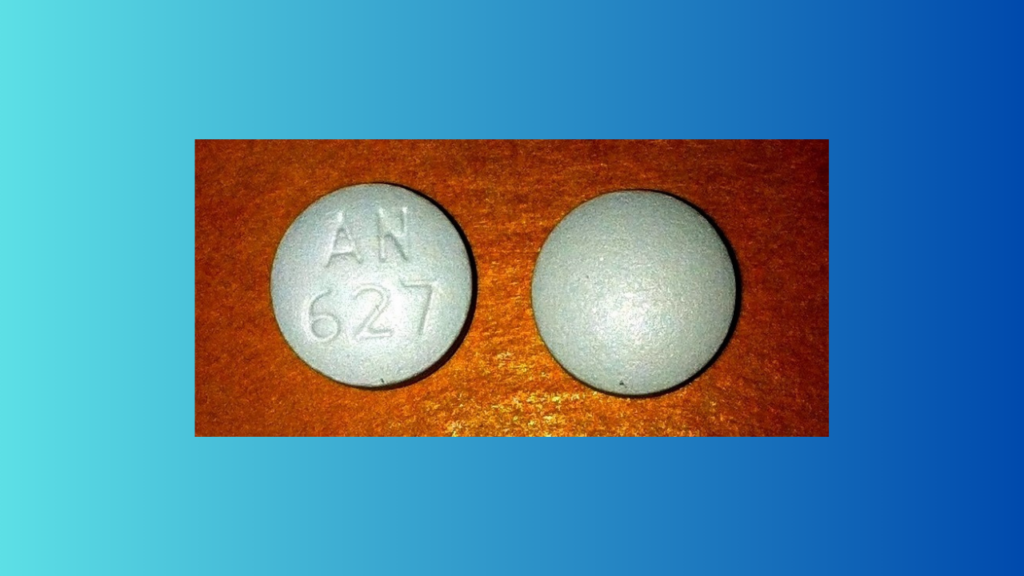



Tramadol: A Clear Guide for Patients
Tramadol is a prescription opioid analgesic used to manage moderate to moderately severe pain, particularly in cases where non-opioid treatments do not provide adequate relief. It is available in both immediate-release and extended-release formulations, allowing clinicians to tailor dosing based on the intensity and duration of a patient’s pain. GET IN TOUCH
Pharmacologically, tramadol works through a dual mechanism. It binds to opioid receptors in the brain and also inhibits the reuptake of neurotransmitters such as serotonin and norepinephrine. This combined action alters how pain signals are processed and perceived within the central nervous system.
If you’ve been prescribed tramadol, you probably have questions. That’s a good thing. Understanding how a medication works makes it easier to use it safely and get the best results.
Tramadol is a prescription pain reliever. Doctors typically use it to treat moderate to moderately severe pain, especially when other options are not enough or not suitable.
It works in two ways. First, it changes how your brain responds to pain signals. Second, it affects certain brain chemicals involved in pain control. That combination makes it different from standard painkillers like paracetamol or ibuprofen.
Prescription Pain Medication / When Doctors Prescribe Tramadol
Tramadol is not usually the first option for mild pain. It’s more often used when:
- Pain is ongoing or more intense
- Other medications have not worked well
- A patient cannot tolerate other pain treatments
It may be prescribed after surgery, for injury-related pain, or for certain chronic conditions.
Moderate Pain Treatment / How to Take It Safely
The most important rule is simple. Follow your doctor’s instructions exactly.
Dosage depends on your condition, your medical history, and how your body responds. Taking more than prescribed does not improve results. It increases risk.
A few key points to keep in mind:
- Take it at the same time each day if prescribed regularly
- Do not crush or break extended-release tablets
- Avoid alcohol while using tramadol
- Do not combine it with other medications unless approved by your doctor
If you miss a dose, take it when you remember unless it’s close to your next one. Never double up.
Pain Management Guide / Possible Side Effects
Like all medications, tramadol can cause side effects. Many are mild and improve as your body adjusts.
Common ones include:
- Dizziness
- Nausea
- Constipation
- Headache
More serious effects are rare but important to recognize. These include trouble breathing, confusion, or severe drowsiness. If anything feels unusual or severe, seek medical help right away.
Important Safety Considerations
Tramadol is not suitable for everyone.
You should speak openly with your doctor if you have:
- A history of substance use issues
- Breathing problems
- Liver or kidney disease
- Seizure disorders
It’s also important to mention any other medications you are taking. Some combinations can increase risks.
Responsible Use Matters
Tramadol can be effective when used correctly. But like other prescription pain medications, it requires care and responsibility.
Never share your medication with others. Never take someone else’s prescription. Safe use protects both your health and those around you.
Final Thoughts
Pain management is not one-size-fits-all. Tramadol is one option among many. The right approach depends on your specific situation.
If you have questions, ask your pharmacist or doctor. Clear answers lead to better outcomes.
Internal Link (Homepage)
For more health resources and pharmacy services, visit our homepage:
https://rotexketamshop.com/
Mixing medications without guidance can be dangerous
. Gas Chromatography–Mass Spectrometry (GC–MS).
| Pills ( 50 mg, 100 mg, 200 mg, 225mg ) | 60 pills(50mg), 120 pills(50mg), 180 pills(50mg), 240 pills(50mg), 300 pills(50mg), 60 pills(100mg), 120 pills(100mg), 180 pills(100mg), 240 pills(100mg), 300 pills(100mg), 60 pills(200mg), 120 pills(200mg), 180 pills(200mg), 240 pills(200mg), 300 pills(200mg), 90 pills(225mg), 180 pills(225mg) |
|---|
Buďte první, kdo ohodnotí „Tramadol 50 mg – 225mg“
Související produkty

Anesthesia

Anesthesia
Anesthesia

Pain Relief Medications

Uncategorized

Pain Relief Medications

Pain Relief Medications
Anesthesia
 Czech
Czech  English
  German
  Dutch
Dutch  Estonian
  Italian
  Croatian
  Arabic
  Belarusian
  Danish
  Greek
Greek  Spanish
  French
  Bosnian
  Polish
  Georgian
  Chinese
  Finnish
  Lithuanian
  Hungarian
  Latvian
Recenze
Zatím zde nejsou žádné recenze.