


CRYSTAL METHAMPHETAMINE
Crystal methamphetamine, commonly known as crystal meth, is a highly potent illicit stimulant that affects the central nervous system. It is associated with significant physical, psychological, and social harm and is considered one of the most addictive substances worldwide.
This page provides educational and public-health information for individuals, families, caregivers, and professionals seeking to understand the impact of crystal methamphetamine and the importance of prevention and treatment.
For general health education and verified Vendor, visit
https://rotexketamshop.com/
Crystal Meth Drug / WHAT IS CRYSTAL METHAMPHETAMINE?
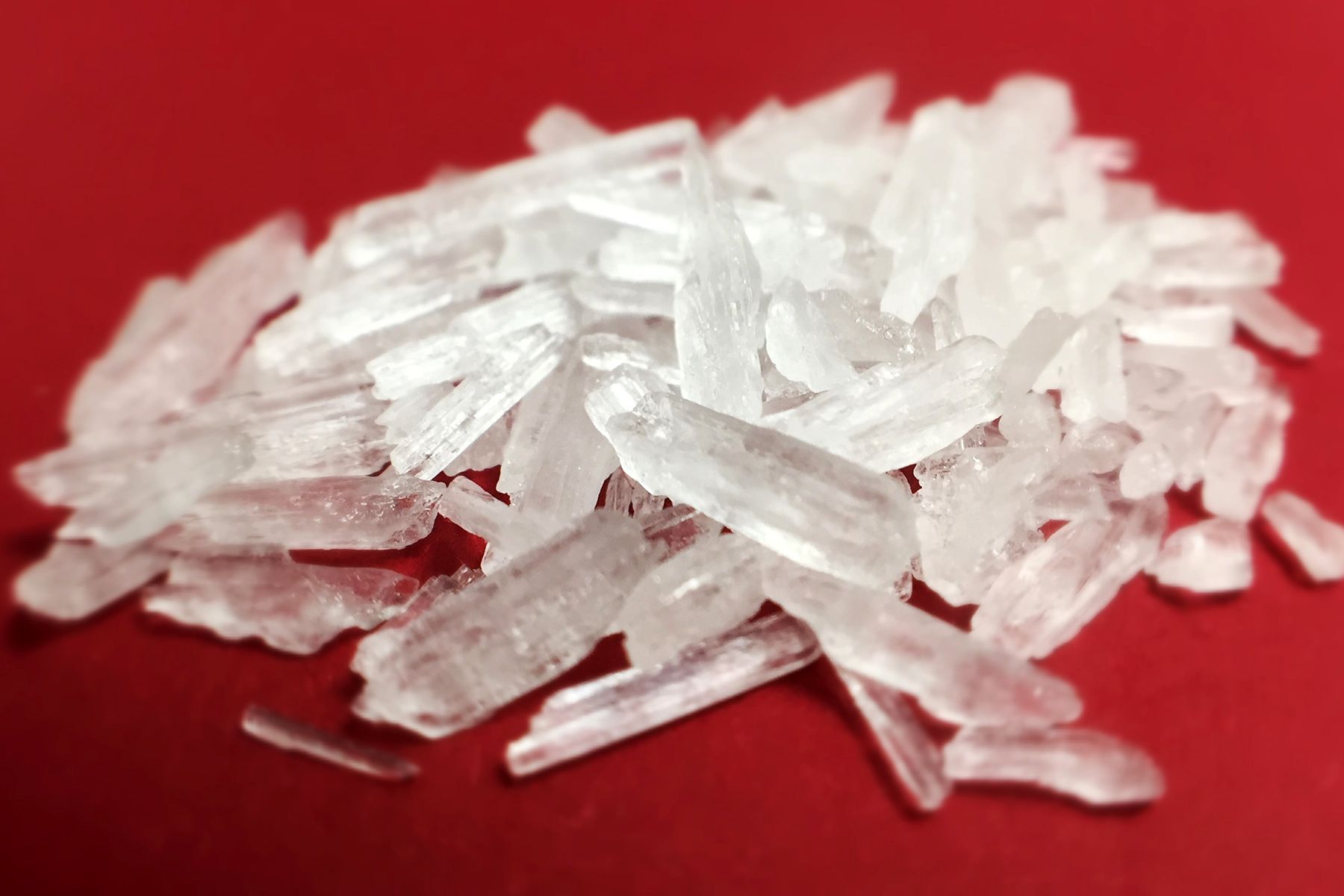
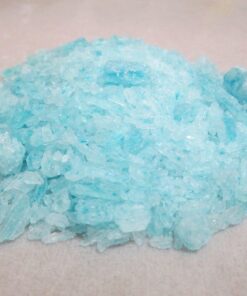
Crystal methamphetamine is an illegally manufactured form of methamphetamine that typically appears as clear or bluish crystals. It is chemically related to prescription methamphetamine but differs significantly in purity, dosage control, and safety. Crystal meth is not approved for medical use and is produced outside regulated pharmaceutical systems.
HOW CRYSTAL METHAMPHETAMINE AFFECTS THE BODY
Crystal methamphetamine stimulates the central nervous system by dramatically increasing dopamine levels in the brain. Dopamine is a neurotransmitter responsible for pleasure, motivation, and reward. The intense dopamine surge caused by crystal meth leads to strong euphoria, followed by severe crashes and cravings. Gas Chromatography–Mass Spectrometry (GC–MS).
Its effects include:
-
Increased alertness and energy
-
Reduced need for sleep
-
Suppressed appetite
-
Elevated heart rate and blood pressure
-
Increased body temperature
Repeated exposure damages brain cells and disrupts normal neurological function.
SHORT-TERM EFFECTS
Short-term effects of crystal methamphetamine use may include:
-
Intense euphoria
-
Anxiety and agitation
-
Paranoia or hallucinations
-
Rapid heartbeat
-
Insomnia
-
Risk-taking behavior
Even short-term use can lead to dangerous outcomes such as overdose, heart attack, or stroke.
LONG-TERM HEALTH RISKS
Long-term use of crystal methamphetamine is associated with severe and often irreversible damage, including:
-
Chronic addiction and dependence
-
Cognitive impairment and memory loss
-
Psychosis and mood disorders
-
Cardiovascular disease
-
Severe dental decay (“meth mouth”)
-
Skin sores and infections
-
Increased risk of HIV and hepatitis
The drug also significantly impacts social functioning, employment stability, and mental health.
SIGNS AND SYMPTOMS OF USE
Common indicators of crystal methamphetamine use include:
-
Extreme weight loss
-
Erratic behavior and mood swings
-
Prolonged wakefulness
-
Skin picking or sores
-
Dental deterioration
-
Social withdrawal or aggression
Early recognition can help reduce long-term harm and improve recovery outcomes.
DEPENDENCE AND ADDICTION
Crystal methamphetamine has a very high potential for addiction. Dependence can develop rapidly due to the drug’s powerful effects on the brain’s reward system. Withdrawal symptoms may include depression, fatigue, anxiety, and intense cravings.
Addiction is a medical condition that requires professional treatment and long-term support.
TREATMENT AND RECOVERY OPTIONS
Treatment for crystal methamphetamine use disorder may involve:
-
Medically supervised detoxification
-
Behavioral therapies such as cognitive behavioral therapy
-
Long-term rehabilitation programs
-
Mental health treatment for co-occurring disorders
-
Peer support and recovery groups
While there is no single medication approved specifically for methamphetamine addiction, comprehensive treatment programs significantly improve recovery outcomes.
PREVENTION AND SUPPORT
Education, early intervention, and access to healthcare services are critical in reducing the harms associated with crystal methamphetamine. Individuals seeking help are encouraged to contact licensed healthcare providers, addiction specialists, or local support services.
For educational health content, awareness resources, and vendor visit
https://rotexketamshop.com/
Trí ghabhdóirí NMDA a bhlocáil, laghdaíonn sé comharthaí pian agus feabhsaíonn sé cáilíocht beatha othar.
| Grams | 1 gram, 1.50 grams, 2 grams, 3.50 grams, 5 grams, 7 grams, 10 grams, 14 grams |
|---|
Be the first to review “Crystal Methamphetamine – Dutch Crystal Pure Ice Import”
Related products

Stimulants
Stimulants

Stimulants
Stimulants
Stimulants
Stimulants
 Belarusian
  English
  German
  Dutch
Dutch  Estonian
  Italian
  Croatian
  Arabic
  Czech
Czech  Danish
  Greek
Greek  Spanish
  French
  Bosnian
  Polish
  Georgian
  Chinese
  Finnish
  Lithuanian
  Hungarian
  Latvian
Reviews
There are no reviews yet.