
Prescription Stimulant Medications – Category Overview
Stimulants are a clinically important class of prescription medications used to treat specific neurological and sleep-related conditions. When prescribed and monitored by qualified healthcare professionals, stimulant medications can help patients improve focus, alertness, and daily functioning.
This category page provides an educational and medical overview of prescription stimulants, outlining their therapeutic applications, patient considerations, safety requirements, and regulatory status.
For verified pharmaceutical information and healthcare resources, visit
https://rotexketamshop.com/
WHAT ARE PRESCRIPTION STIMULANTS?
Prescription stimulants are medications that act on the central nervous system (CNS) to increase levels of key neurotransmitters such as dopamine and norepinephrine. These chemical messengers play an essential role in attention, wakefulness, motivation, and cognitive control.
In medical practice, stimulants are used only under prescription and are subject to strict regulatory oversight due to their potency and need for careful dosing.
COMMON MEDICAL APPLICATIONS
Prescription stimulants may be indicated for patients diagnosed with:
Attention Deficit Hyperactivity Disorder (ADHD)
Improves attention span and focus
Helps reduce impulsivity and hyperactivity
Used in both pediatric and adult patients when clinically appropriate
Narcolepsy and Sleep Disorders
Promotes wakefulness
Reduces excessive daytime sleepiness
Supports functional daily activity
Other Clinically Evaluated Uses
Certain treatment-resistant cases under specialist supervision
Off-label use only when supported by medical evaluation and guidelines
PATIENT NEEDS AND CLINICAL CONSIDERATIONS
Patients prescribed stimulant medications typically require:
Accurate diagnosis by a qualified healthcare provider
Individualized dosing plans
Ongoing monitoring for effectiveness and side effects
Clear education on proper use and safety
Stimulants are not suitable for every patient. Medical history, cardiovascular health, mental health conditions, and potential interactions must be assessed before treatment initiation.
HOW STIMULANTS WORK IN THE BODY
Prescription stimulants function by:
Enhancing neurotransmitter signaling in the brain
Improving alertness and cognitive performance
Supporting sustained attention and task completion
Because of these effects, careful dose adjustment and follow-up are essential to maintain therapeutic benefit while minimizing adverse reactions.
SAFETY, SIDE EFFECTS, AND MONITORING
Possible side effects may include:
Decreased appetite
Sleep disturbances
Increased heart rate or blood pressure
Nervousness or restlessness
Safety measures include:
Regular medical reviews
Monitoring cardiovascular health
Avoiding misuse or dose escalation
Secure storage to prevent unauthorized access
Patients should always follow prescribing instructions and report any concerning symptoms promptly.
REGULATORY STATUS AND DISPENSING
Prescription stimulants are regulated medicines
Many are classified as controlled substances
Dispensing requires a valid prescription
Use is governed by national and regional healthcare laws
Responsible prescribing and dispensing are essential to ensure patient safety and public health protection.
EDUCATION AND RESPONSIBLE USE
Education plays a key role in effective stimulant therapy. Patients benefit from:
Understanding treatment goals
Knowing potential risks and benefits
Maintaining open communication with healthcare providers
For educational pharmaceutical content and healthcare guidance, visit
https://rotexketamshop.com/

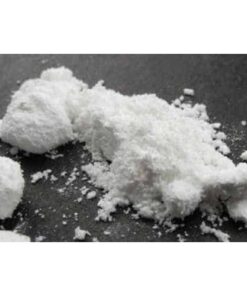
Stimulants

Stimulants


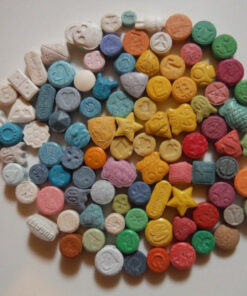
Stimulants

Stimulants

Stimulants

Stimulants
 Italian
  English
  German
  Dutch
Dutch  Estonian
  Croatian
  Arabic
  Belarusian
  Czech
Czech  Danish
  Greek
Greek  Spanish
  French
  Bosnian
  Polish
  Georgian
  Chinese
  Finnish
  Lithuanian
  Hungarian
  Latvian